Domande frequenti: Sfatiamo i miti che confondono l’aftermarket

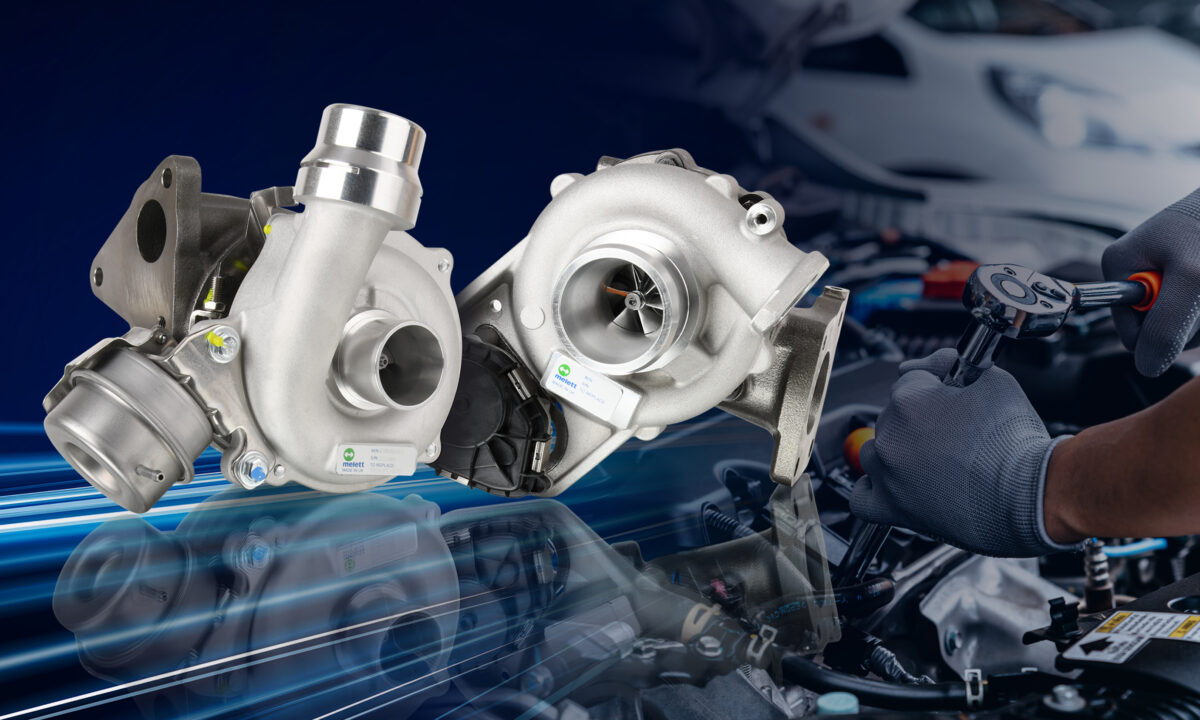
I turbocompressori svolgono un ruolo fondamentale nelle prestazioni dei veicoli moderni, perché favoriscono l’efficienza, l’economia dei consumi e il controllo delle emissioni. Eppure, l’aftermarket è ancora influenzato da idee sbagliate persistenti che possono portare a sostituzioni superflue, diagnosi errate e costi supplementari. Per aiutare a fare chiarezza, Melett ha riunito una serie di domande frequenti specifiche che si propongono di sfatare i miti più comuni sui turbocompressori, separando la finzione dalla realtà e condividendo con officine e conducenti le informazioni indispensabili per prendere decisioni informate e mirate.

D1: È preferibile riparare o sostituire il turbocompressore?

Spesso, riparare o sostituire il turbocompressore è una questione di scelta.

La riparazione o la rigenerazione del turbo è un’alternativa comprovata, affidabile ed economica. Sottoposto a una rigenerazione professionale con componenti di qualità OE, il turbo è in grado di erogare prestazioni elevate a una frazione di costo rispetto a una nuova unità. Sia per le officine sia per i titolari di veicoli, offre vantaggi eccellenti senza rinunciare alla qualità.

Inoltre, la riparazione e la rigenerazione garantiscono benefici evidenti nell’ottica della sostenibilità. Riutilizzando il corpo esistente del turbo e le strutture principali, è possibile ridurre lo scarto, abbattere il consumo dei materiali, nonché ridurre al minimo l’impatto ambientale legato alla fabbricazione di nuove unità.

Tuttavia, quando la riparazione non è fattibile, quando il tempo di esecuzione assume la massima priorità, o semplicemente quando il cliente o l’officina preferisce un’opzione sostitutiva, le unità di alta qualità dell’aftermarket sono soluzioni rapide e attendibili. Queste sono sinonimo di prestazioni costanti, disponibilità immediata, e rappresentano un’alternativa affidabile quando la riparazione non è la strada più praticabile.

D2: Devo avvalermi di un ricambio OE nuovo?

No, non è necessario servirsi di un turbocompressore OE nuovo per raggiungere i livelli di affidabilità OE. Quando costruiti e installati correttamente, i ricambi di alta qualità dell’aftermarket – che si tratti di modelli riparati, rigenerati oppure nuovi – sono equiparabili ai turbo OE sul piano delle prestazioni.

Un turbo rigenerato professionalmente impiegando componenti di qualità OE offre un’alternativa affidabile e conveniente, in grado di erogare prestazioni paragonabili pur garantendo benefici notevoli sul piano della sostenibilità, grazie al riutilizzo dei componenti esistenti.

D3: Dove devo far riparare il turbo?

Gli interventi di riparazione sui turbo devono essere sempre eseguiti da uno specialista che si avvale delle competenze, delle attrezzature e dell’esperienza appropriate. I turbocompressori lavorano in condizioni estreme, pertanto la diagnosi accurata dei guasti, la lavorazione precisa a macchina, l’equilibratura corretta, nonché procedure per un assemblaggio pulito, sono indispensabili per ottenere un risultato affidabile.

Al fianco della perizia esperta, un ruolo altrettanto importante è rivestito dalla qualità dei componenti usati in sede di riparazione. Le aziende rispettabili specializzate nella rigenerazione dei turbo si affidano a componenti progettati con attenzione che consentono loro di lavorare in osservanza di standard costanti. Prodotti come i CHRA/Core-Assy e componenti Melett sono studiati per sostenere questo processo di riparazione professionale, dando agli specialisti accesso a parti realizzate nel rispetto di tolleranze rigide e idonee alle rigenerazioni ripetibili e di alta qualità.

Scegliendo uno specialista riconosciuto in materia di riparazioni dei turbo che si avvale di componenti affidabili e di qualità OE, le officine e i titolari dei veicoli possono star certi che il turbocompressore riparato sia ripristinato a uno standard elevato e costante.

D4: I turbocompressori richiedono interventi di manutenzione?

No, i turbocompressori in sé non richiedono una manutenzione dedicata, sebbene si affidino sensibilmente alle condizioni generali del motore. La loro affidabilità nel lungo termine è in funzione dell’installazione corretta e della manutenzione adeguata del veicolo – proprio come qualsiasi altro componente importante.

I cambi tempestivi dell’olio, la pulizia dei filtri aria, nonché l’assenza accertata di perdite, ostruzioni o danni alle tubazioni di olio e aria sono tutti fattori essenziali. Solitamente, anomalie come l’erogazione insufficiente di olio, la contaminazione o i danni da corpo estraneo trovano origine nell’impianto motore piuttosto che nel turbo. Tuttavia, se non risolte, possono sempre causare il guasto prematuro del turbo.

Conclusioni

Mentre prosegue l’evoluzione del mercato dei turbocompressori, Melett continua a impegnarsi per sostenere il settore, equipaggiando gli specialisti dei turbo con l’assistenza tecnica e i componenti di qualità OE richiesti per effettuare interventi di riparazione affidabili e ripetibili. Preservando standard ingegneristici ben saldi, fornendo indicazioni pratiche e investendo nello sviluppo costante dei prodotti, Melett si accerta che gli specialisti dispongano delle risorse necessarie per soddisfare le esigenze dei turbocompressori moderni. L’obiettivo dell’azienda è aiutare l’aftermarket a orientarsi nella crescente complessità dei sistemi e garantire che la riparazione e la rigenerazione rimangano alternative fidate e sostenibili anche in futuro.

Melett at Automotive Technology Fair TTM Poznań 2026

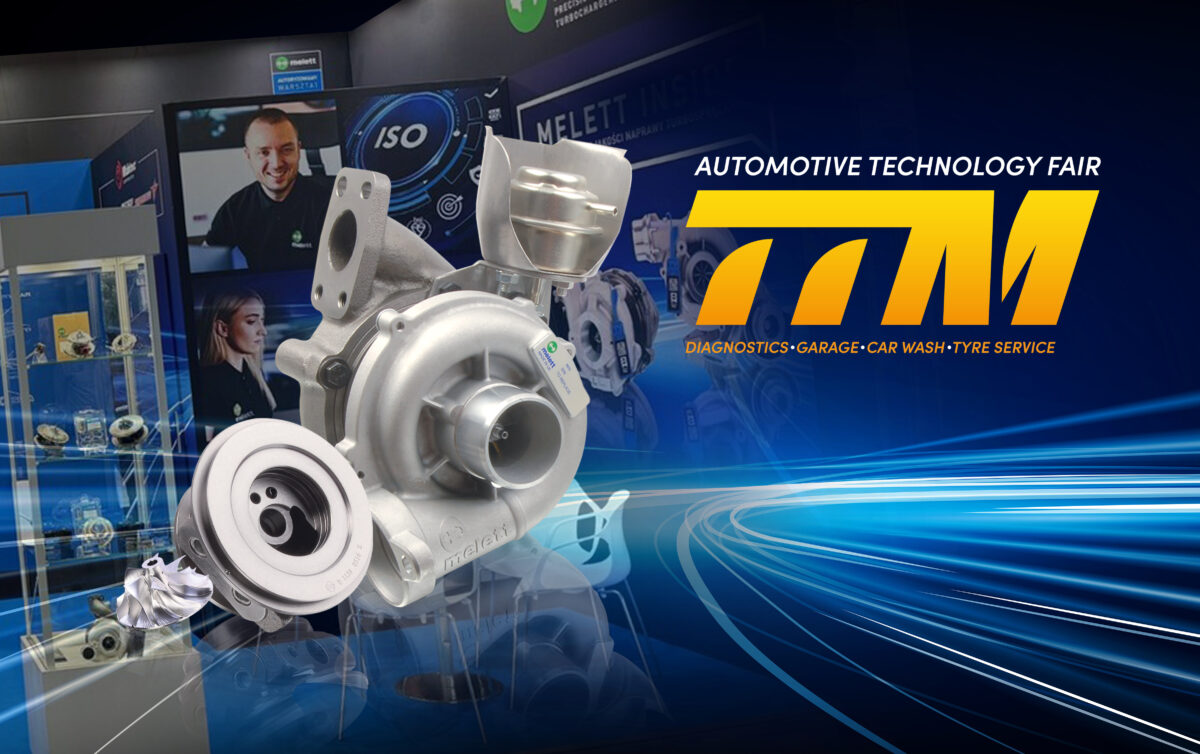
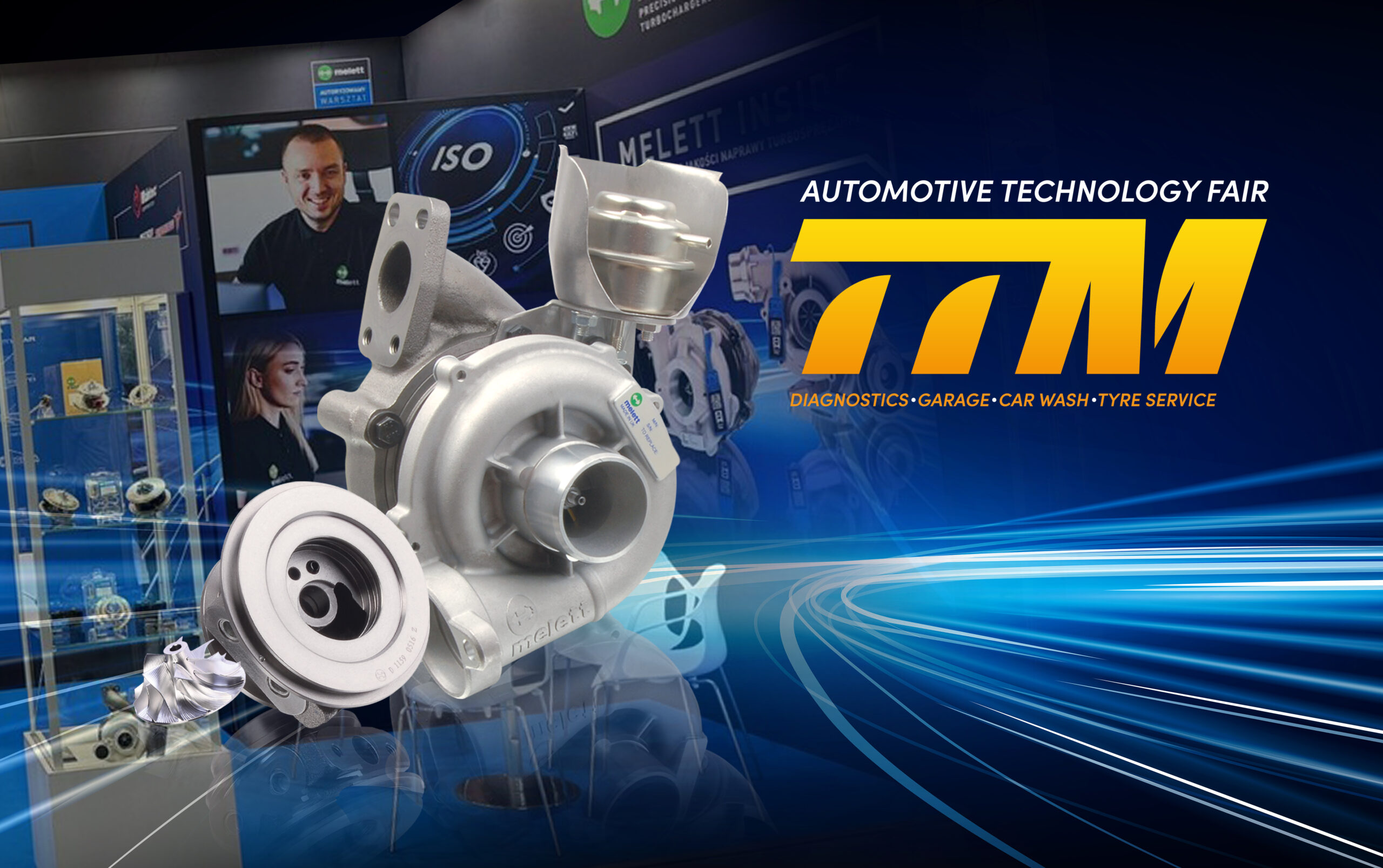
Melett, a leading manufacturer of turbocharger repair components, will once again participate in the TTM Automotive Technology Fair in Poznań (April 23–26, 2026).

TTM is one of the most significant events for the automotive industry in Central Europe. For Melett, the fair provides a valuable opportunity to meet with turbocharger repair shops, distributors, and commercial partners in the Polish market.

At this year’s event, Melett will showcase its approach to design and manufacturing, ranging from compliance with OE specifications and multi-stage quality control to the firm repeatability and reliability of repairs.

One of the key topics discussed during the fair will be the growing share of turbocharger repairs over full unit replacements, an approach gaining momentum across Europe. For the end customer, this translates to lower costs, while for the environment, it results in less waste. Melett has consistently supported this direction for years.

A vital element of Melett’s presence at TTM this year will be two programs dedicated to Polish turbocharger repair workshops:

The Melett Authorized Service Center (ASC) Network:

The highest level of partnership with Melett. These workshops bring together experienced specialists who utilize OE-quality Melett components and provide a full range of services, from diagnostics and root cause analysis to repairs performed to the highest standards. For independent workshops, this means access to expert knowledge that helps eliminate recurring faults and reduce warranty claims.

The Melett Partner Program:

A development path for workshops looking to strengthen their technical and commercial competencies. Partners receive access to tools, training materials, and business support, helping them improve service quality and build a competitive advantage in the market.

Łukasz Kiper, Melett Sales Manager for Poland, said: “TTM Poznań is one of the key events in our calendar. The fair allows for face-to-face meetings with our partners and distributors. It is also an excellent opportunity to discuss current market challenges and work together on raising turbocharger repair standards. We look forward to this year’s edition with great anticipation.”

Melett holds ISO 9001:2015 accreditation for its quality management system. All the company’s components are manufactured according to rigorous engineering standards and undergo multi-stage quality control.

Turbocharging the future: why the repair market is set to thrive

As the automotive industry continues to evolve in response to stricter emissions standards and changing consumer preferences, we at Melett see turbochargers playing a pivotal role in shaping the future of internal combustion and hybrid vehicles.

While battery electric vehicles are gaining traction, the majority of UK car buyers still prefer ICE-powered models—driving innovation in engine downsizing and turbocharger technology.

In this white paper, we examine how turbochargers have become integral to modern vehicle design, the growing demand for high-quality aftermarket repair solutions, and the environmental benefits of adopting circular economy principles.

As we celebrate 30 years of expertise in precision-engineered turbochargers and components, we’re proud to highlight why the turbo repair industry is not just surviving—but thriving.

Download the white paper in your preferred language below.

Five most common mistakes when installing a turbocharger

Turbochargers have revolutionised modern engine design, enhancing power and fuel efficiency by harnessing exhaust gases to drive compressed air into the combustion chamber. As a result, turbocharged systems are now commonplace in vehicles of all types, from light commercial vans to high-performance cars. But as Melett, a leading name in precision-engineered turbocharger components, stresses, correct installation is everything. 

Melett, who supplies parts and repair solutions to the professional aftermarket worldwide, warns that improper turbocharger installation remains a leading cause of premature failure and engine damage. 

“We see the same core mistakes repeated in the field,” says Melett’s technical team. “These aren’t just minor oversights; they’re errors that can lead to full unit failure, warranty claims, and reputational damage for workshops.” 

Here, Melett explores the five most common installation errors, alongside expert advice on how to avoid them.

Improper Sealing of Joints

One of the most frequent and damaging errors involves sealing oil connections with silicone. While it might appear to offer a quick seal, silicone is wholly unsuitable for turbocharger applications. Small fragments can break loose and enter the oil system, where they may block vital passages and cause bearing seizure. 

Melett strongly advises the use of high-quality, model-specific gasket kits. These ensure a proper seal without contaminating oil flow and help maintain long-term reliability. Gaskets must be perfectly aligned; any offset could restrict flow and create avoidable wear.


Failure to Remove Safety Caps

A surprisingly common oversight, particularly among less experienced technicians, is failing to remove protective shipping plugs before installation. These caps are there to protect the turbo during transport but will completely block oil flow if left in place. 

Melett recommends a thorough visual inspection of all parts during pre-installation checks. This one simple step can prevent immediate and catastrophic turbo failure on first start-up.


Contaminants Left Behind from a Previous Failure

When a turbocharger fails, it often leaves behind debris—metal fragments, carbon deposits, or degraded oil—that can lurk in oil lines, intercoolers, and intake pipes. Fitting a new unit without properly flushing these systems is a fast track to a second failure. 

Professional installation must include complete system cleaning and, where necessary, component replacement. Melett supports the use of specialist cleaning fluids designed to remove even microscopic contaminants, safeguarding the new turbo from the outset.


Neglecting the Oil System

The turbocharger relies entirely on a clean, reliable oil supply for cooling and lubrication. Poor oil maintenance, incorrect oil grades, or low oil pressure are all critical risk factors. 

Before any installation, technicians must replace both the oil and the filter with OE-specified products. Melett also advises checking and clearing the oil feed and return lines and verifying oil pressure before the engine is restarted. This due diligence can prevent many avoidable call-backs. 


Failing to Identify the Root Cause of Previous Failures

Installing a replacement turbo without diagnosing the root cause of the original failure is perhaps the most expensive and frustrating mistake. Underlying issues—ranging from faulty injectors and clogged filters to defective EGR valves or blocked DPFs—will rapidly destroy a new turbo if left unresolved. 

Melett urges workshops to conduct comprehensive diagnostic assessments before fitting a new unit. This includes checking related engine systems that could indirectly affect turbo operation. Only by resolving these underlying faults can the technician ensure the long-term health of the new turbo. 


A Professional Standard: Fitting for Reliability and Reputation 

Each of these mistakes, while avoidable, can carry a heavy cost, not just in terms of parts and labour, but in reputation and customer trust. Melett emphasises that turbocharger fitting isn’t a routine replacement job, it’s a specialist task that demands care, cleanliness, and technical precision. 

“We always encourage installers to think beyond the part itself,” says a Melett technical advisor. “Every turbo is part of a wider system. Getting it right protects the engine, safeguards your reputation, and keeps customers on the road.” 

Melett’s commitment to technical support, quality components, and accurate fitment information underpins their approach to turbocharger repair and installation. 

Because when it comes to turbochargers, precision isn’t optional – it’s essential.